

The evolution of gambling tracing its history through the ages
Ancient Beginnings of Gambling
The roots of gambling can be traced back to ancient civilizations, with archaeological evidence suggesting that games of chance have been part of human culture for thousands of years. The earliest known dice, dating back to around 3000 BC, were discovered in Mesopotamia, indicating that even then, people engaged in games involving risk and chance. Ancient Egyptians also had a fondness for games involving betting, as depicted in various artifacts and hieroglyphics that illustrate their passion for gambling activities. Today, players can find exciting options like the Duel Casino Bonus, which reflects the evolution of these historical practices.
In ancient China, records from around 2000 BC reveal games similar to modern-day lotteries, showcasing the societal inclination towards risk-taking behaviors. These early forms of gambling often played a significant role in cultural rituals and social gatherings, indicating that gambling was not merely a pastime but also an important community activity. This early fascination laid the groundwork for the diverse gambling practices that would evolve over centuries.
The Greeks and Romans further popularized gambling, integrating it into various aspects of their society. Both cultures created complex games involving betting and chance, such as knucklebones and dice games. Roman emperors famously enjoyed betting on gladiatorial contests, illustrating how gambling was intertwined with entertainment and social hierarchy. This widespread acceptance of gambling set the stage for its evolution in the Middle Ages and beyond.
The Rise of Gaming Houses in the Middle Ages
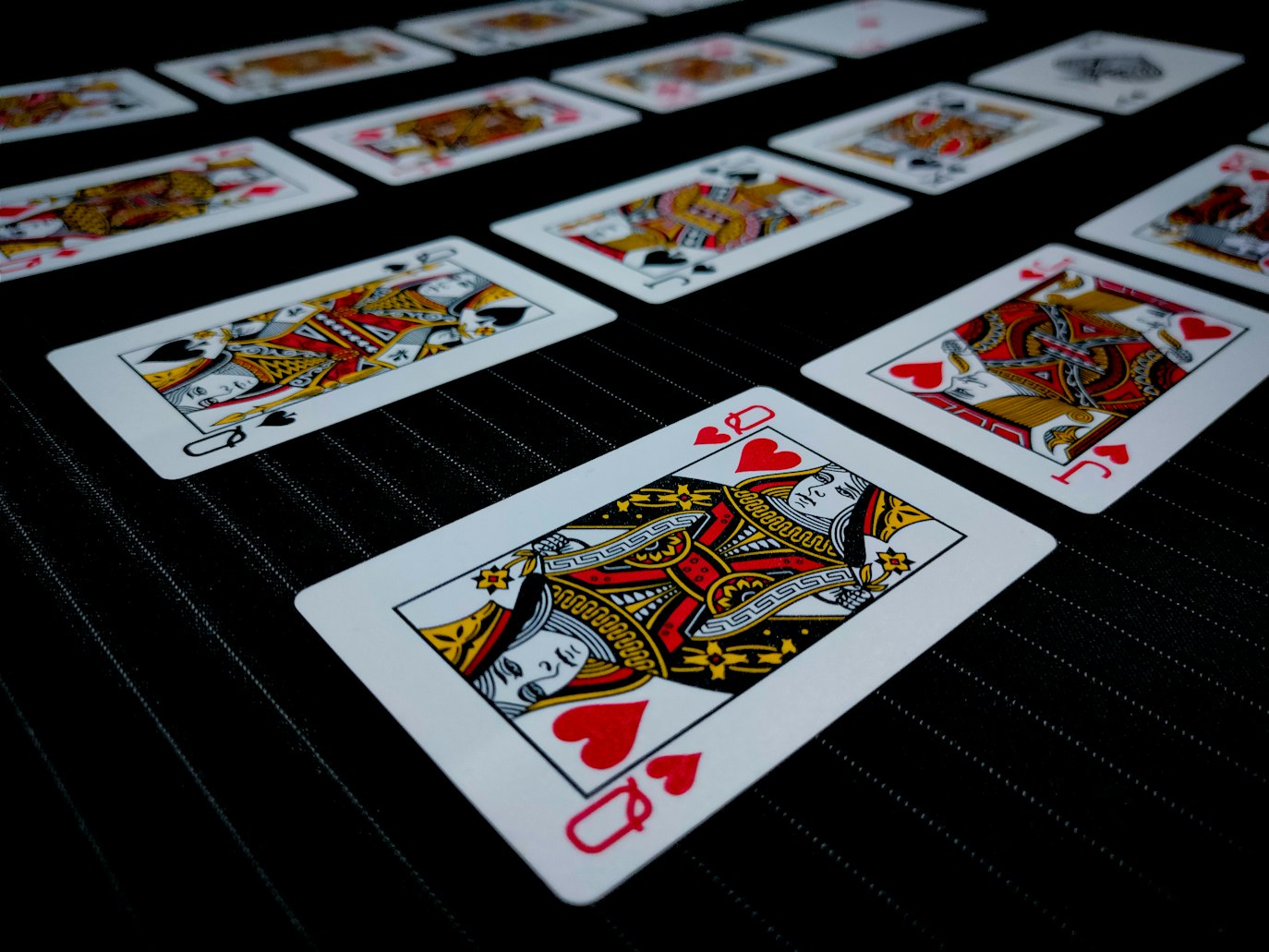
As society transitioned into the Middle Ages, gambling took on new forms, leading to the establishment of gaming houses across Europe. These establishments catered to the growing interest in gambling, offering a range of games from dice to card games. Notably, the emergence of playing cards in the 14th century marked a significant evolution in gambling, leading to the development of games like Poker and Blackjack that would gain immense popularity later on.
During this period, laws regarding gambling became more pronounced, with various governments attempting to regulate the activities to curb excesses and promote fair play. For instance, in England, King Henry VIII took a strong stance against illegal gambling, enforcing regulations that would shape the future of the industry. Yet, despite these restrictions, gambling flourished, as people sought entertainment and the thrill of chance.
The advent of the Renaissance brought significant changes to gambling culture, introducing a sense of sophistication and refinement. Betting on horse racing became increasingly popular, supported by the nobility who would organize races and place bets on their favored horses. This development not only revolutionized gambling but also created a social event that attracted participants from various social classes, fostering a sense of community centered around gaming.
Gambling in the Modern Era
With the dawn of the 19th century, the world witnessed a significant transformation in gambling practices, particularly with the establishment of organized betting. The introduction of casinos in Europe and America provided a more structured environment for gamblers. The first official casino, the Casino di Venezia, opened its doors in 1638 in Italy, and soon, others followed, offering a variety of games, including roulette and baccarat, which became favorites among players.
This era also marked the rise of lotteries as a popular form of gambling, often used by governments as a way to raise funds for public projects. In the United States, lotteries became a means to finance infrastructure development, though they faced opposition and were often associated with fraud and corruption. However, despite the controversies, lotteries gained popularity and established a foothold in American society.
The 20th century brought about a wave of innovations in gambling, particularly with the introduction of online gaming and sports betting. The advent of the internet revolutionized the gambling industry, enabling players to place bets from the comfort of their homes. Additionally, advancements in technology allowed for the development of virtual casinos, where players could engage in their favorite games against real opponents, further enhancing the gambling experience.
Impact of Technology on Gambling
Technology has played a critical role in the evolution of gambling, particularly in recent decades. The rise of smartphones and mobile applications has made gambling more accessible than ever, allowing users to engage in gaming activities from virtually anywhere. This shift has transformed traditional casinos and gaming houses, pushing them to adapt and incorporate mobile-friendly platforms to cater to the increasing demand for online gaming.
The integration of advanced technologies, such as virtual reality and artificial intelligence, is redefining the gambling landscape. Virtual reality casinos offer immersive experiences that mimic real-life gaming environments, enhancing player engagement and interaction. Meanwhile, AI-driven algorithms analyze player behaviors and preferences, enabling casinos to tailor their offerings, promotions, and experiences to meet individual needs.
Furthermore, the implementation of blockchain technology has introduced a new level of transparency and security in online gambling. By utilizing decentralized ledgers, players can verify the fairness of games and ensure the safety of their transactions. This has fostered a new wave of trust among players, paving the way for a more reliable and enjoyable gambling experience in the digital age.

The Future of Gambling and Platforms like Duel.com
As gambling continues to evolve, platforms like Duel.com are at the forefront of this transformation. By prioritizing ongoing rewards and activity-based incentives, Duel.com creates a unique gaming experience that enhances long-term value for players. Rather than relying on traditional no deposit bonuses, this platform focuses on transparency and fairness, ensuring that rewards are directly linked to player engagement and activity.
The innovative structure of Duel.com fosters a community-oriented approach to gaming, where players can interact with one another, participate in leaderboards, and enjoy instant rakeback rewards. This emphasis on engagement not only enhances the gaming experience but also encourages players to return, knowing they will receive value for their participation. Furthermore, promotional codes like HELLAGOOD provide easy access for new users, making it simple to join and start enjoying the benefits.
In conclusion, the evolution of gambling has been marked by significant changes influenced by cultural, technological, and societal shifts. As we look to the future, platforms like Duel.com embody the next chapter in this rich history, setting new standards for transparency, engagement, and player satisfaction in the world of gaming.